
Moon capsule. Moon flyby. Moon joy.
Scientists are becoming more and more poetic these days, though I’d like to think they have been for decades. To be granted a front-row seat and become intimate with the natural world itself can bring oneself to be both simultaneously at a loss and profuse for words. In those moments of witnessing its inner workings firsthand, poetry can be a way of giving shape to what resists comprehension. It is a feeling I am becoming familiar with as I slowly find my place in science.
The recent Artemis mission by NASA is a perfect example to highlight this phenomenon. (Astro)scientists, for all their freedom, could have just settled for random strings of sterile codes. Instead, they reached for names drawn from the pages of old Greek myth. I’d like to think that this naming system goes beyond than just for convenience and more toward… connection. A desire for a shared story and openness that invites everyone to partake.
If one recalls even a bit of Greek mythology, Artemis is the twin sister to Apollo—deities long tied to the Moon and the Sun, respectively, often imagined as twin celestial bodies across cultures and stories. In the history of spaceflight, the Apollo program marked the first time humans set foot on the Moon in 1969. More than half a century later, the Artemis program returns to that same horizon, reaching farther than ever before and aiming to carry people deeper into space. It is as if to say: what Apollo began, Artemis picks up again. Like a twin answering a twin. Even the Orion moon capsule (the vessel that carried the astronauts), was named after Orion, the closest hunting companion of Artemis in the myths. Therefore, this journey was, somehow, Artemis and her Orion voyagers. These careful choices make these things feel less distant to us and more intentional; they become part of a larger narrative we can follow and feel connected to.
There is, of course, a lingering critique (debatable) on the issue that the masculine name “Apollo” was used first, instead of the more gender-appropriate “Artemis,” which could’ve been due to the male-dominated ecosystem of the 1960s space program. Nevertheless, our present moment has been really promising. What stands out now is how far things have moved, especially in the increasing representation of women in STEM, which that, in itself, feels like one giant leap for mankind.
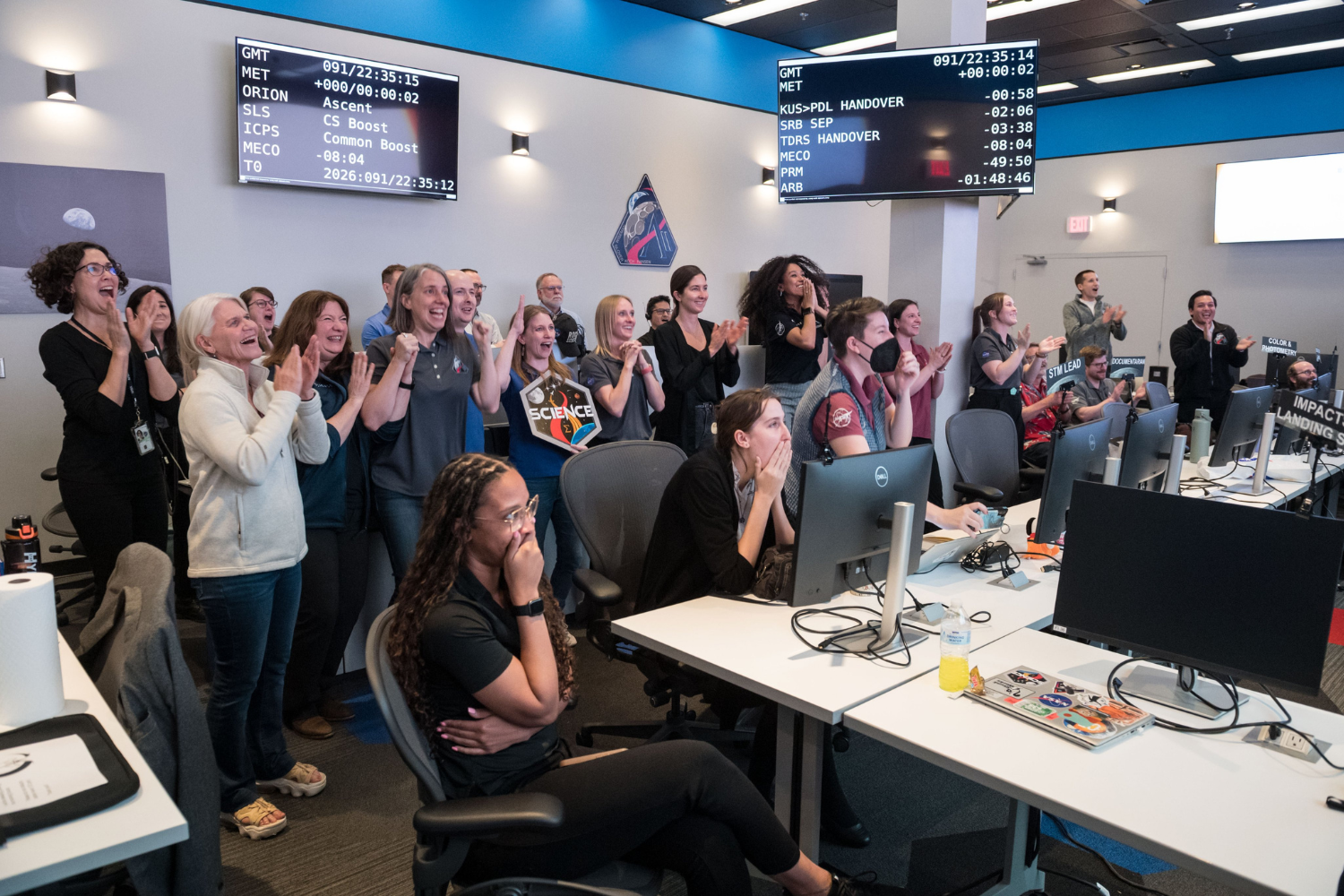
Space travel can bring a profound emotional and mental shift on the very few people who are lucky enough to experience it. Seeing Earth as a mere, massive, floating rock set against a vast, empty backdrop puts life into perspective. And when it comes to the four Artemis II crew aboard the Orion space capsule, they only described their mission in one word: humility.
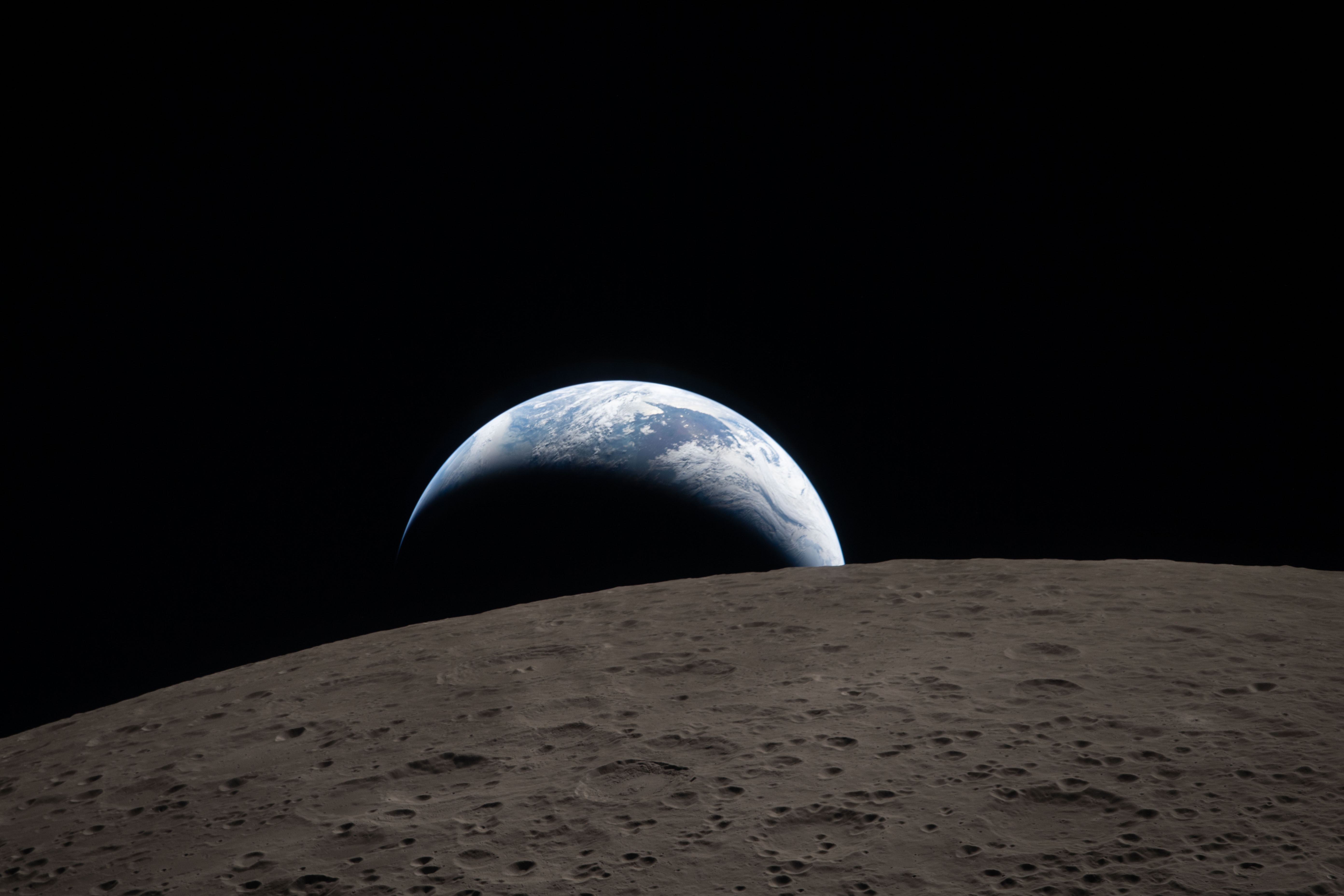
For Christina Koch, who holds the record for the longest spaceflight by a woman, the moment did not feel “historic.” It felt humbling. Jeremy Hansen, the first Canadian to reach lunar orbit, simply said: “Right away, you are humbled. The fact that four of us get to be out here just brings you to your knees.” Meanwhile, pilot Victor Glover, the first person of color to orbit the moon, looking back at Earth from 252,000 miles away, said: “You look like one thing. Homo sapiens is all of us.”
Monday, April 6, was the day the entire mission was planned for. But for all the scientific milestones that the crew accomplished during their lunar flyby, the moment that stood out the most was a deeply human one. The Artemis II crew were given the chance to name craters on the Moon. They named one “Carroll,” for mission commander Reid Wiseman’s wife, who died of cancer in 2020. If anyone has ever quite literally given the Moon to someone they love, Wiseman did it! The farthest anyone has ever gone to say “I still love you.” And I’m just starting to realize how much I badly needed to see four romantic poets circling a cold floating rock.
How reviving it is to be in awe again. My inner child overflows with it. I may have been born too late for Apollo, but I am just on time for Artemis! We all are.
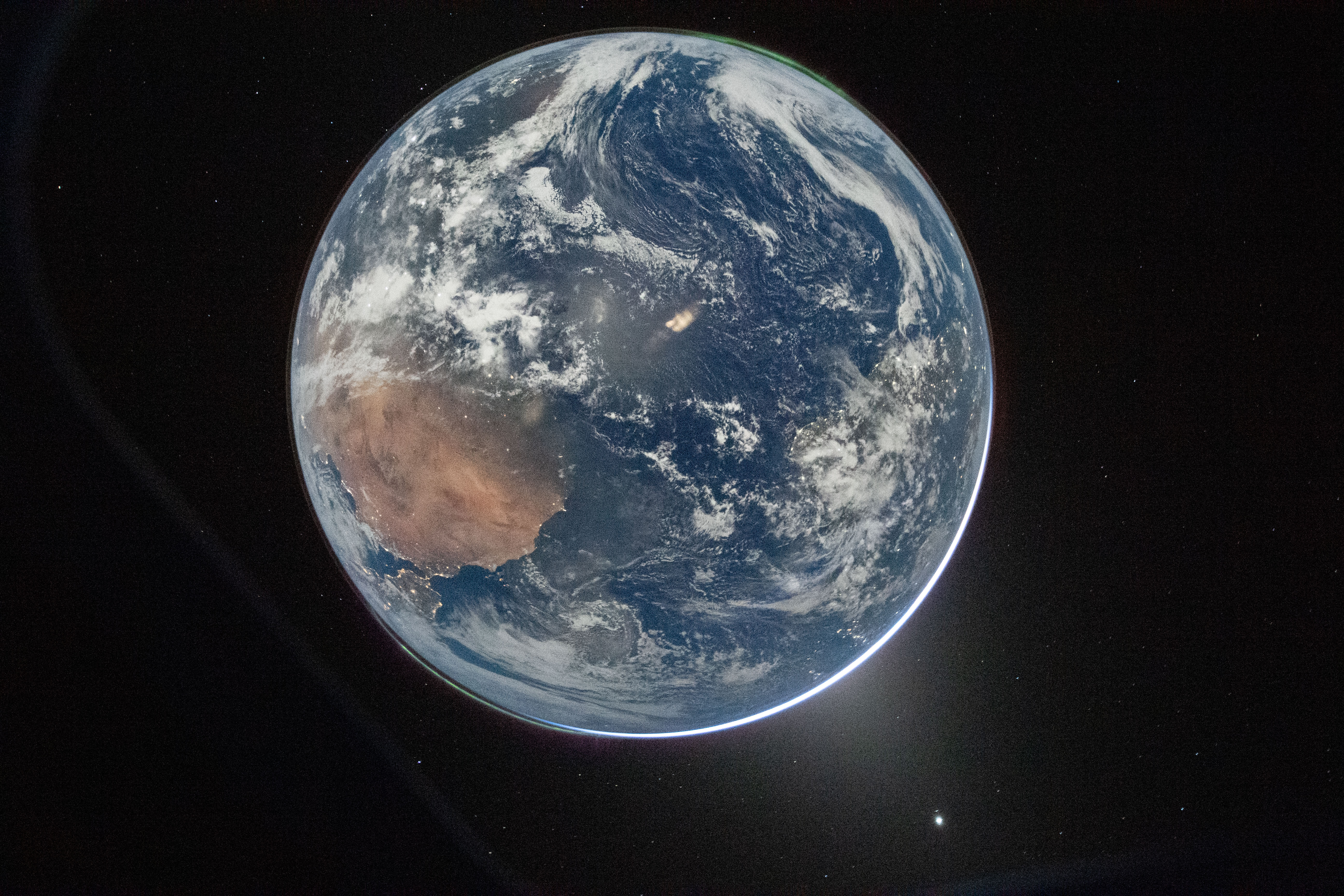
If you were crying while watching the Artemis II “splashdown and return” livestream Saturday morning (PhST), that’s okay. I was crying! It turned into an unexpectedly emotional weekend, taking it all in as it unfolded. There’s something about the cooperative humanity, the breathtaking photographs of the Moon and Earth, the mind-altering reflections from the Artemis crew, and the weight of having a record breaking space travel, sinking into your soul all at once. It was so life-affirmingly wonderful, in a time where everything is so bleak. It was a beautiful moment for humanity, and they are the moment!
Aboard the Orion spacecraft—named Integrity—the Artemis crew have done an amazing job in describing their journey with remarkable honesty and vulnerability, at times sharing long, almost poetic messages with Mission Control. One particular instance was the heartwarming exchange between mission specialist Christina Koch and Jenni Gibbons from Mission Control:
Koch upon regaining communication stated, ‘We will always choose Earth, we will always choose each other.’ and Gibbons responding from Mission Control replied, ‘Integrity, from Earth, our single system, fragile and interconnected, we copy.’
Yet for all the warmth of this exchange, a much simpler phrase from Mission Control had become the words by which the mission is remembered: Moon joy. NASA went as far as defining it in a tweet as “(n.) the feeling of intense happiness and excitement that only comes from a mission to the Moon.” There is something fitting about the brevity and purity of this term that resonates well to all of us, even to those of us who know the Moon only through photographs or by looking up at it in the night sky.
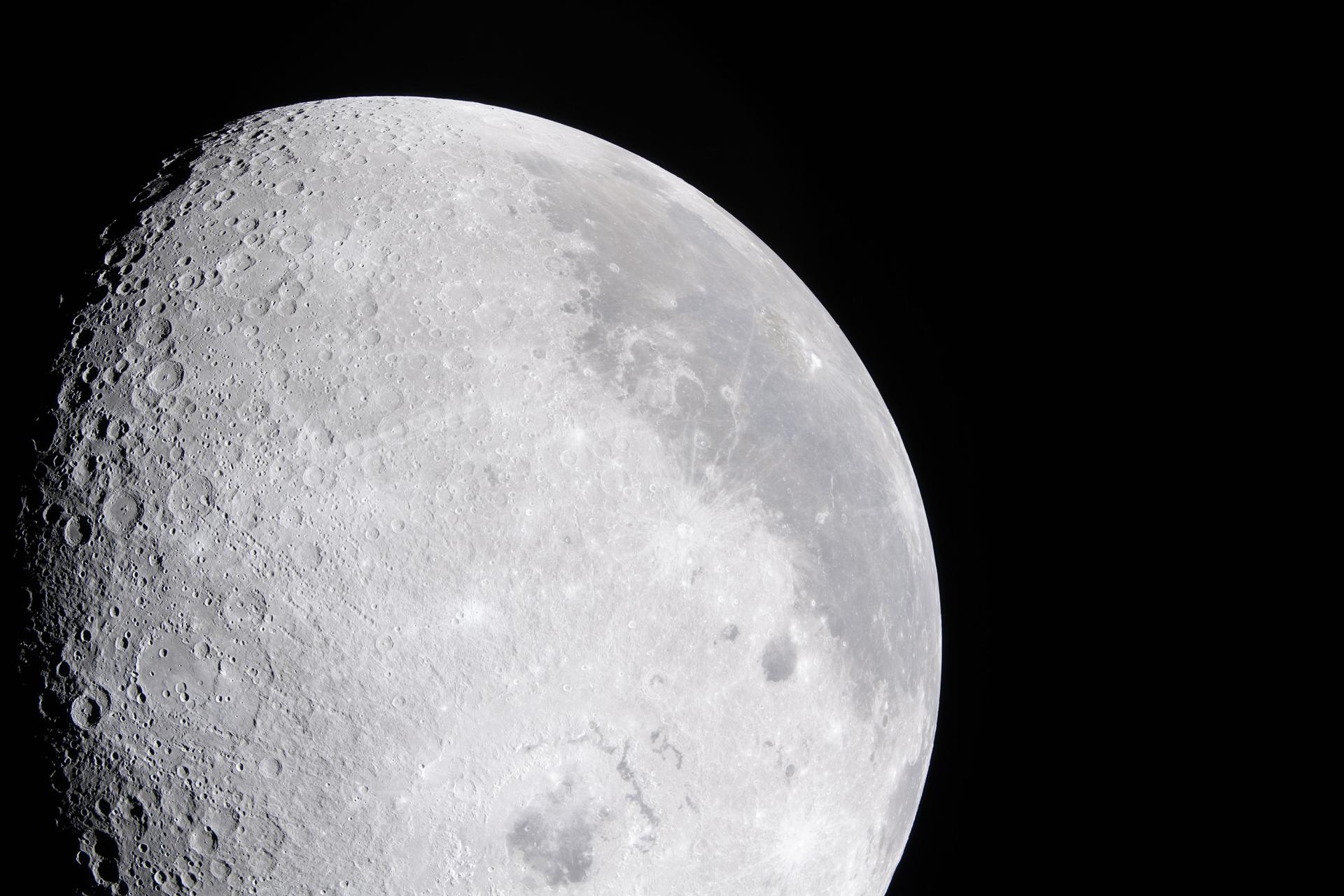
To be reminded of the wonder of the vast, empty space. To make us humble, and perhaps, in that humility, to make us great. To achieve equality and world peace through love. To find the joy in lifting each other up. Seeing Earth from the far side of the Moon puts life and work in perspective pretty quickly. It becomes clear how small we are: a single speck of stardust, a pinprick of candlelight against the great forces that be. The Artemis crew were right: that realization humbles you. Life is fleeting, so live it boldly, love it deeply, leave zero room for ‘what ifs’ and be kind with the world along the way. How will you be bold today? Claim it. The boldness was always available.
Welcome home, Artemis II. Thank you for the poetry and the glimpse at who we can be—up there and down here. Amaze, amaze, amaze.
P.S. If the Artemis II astronauts had their wake-up playlist, I’ve been curating my own since 2018 for those slow nights spent in stargazing and “moon bathing” beneath the stars. I thought I’d share it with you.
Leave a Comment